How to Join the Russian Army: What Foreigners Should Know
Contents
How to Join the Russian Army: What Foreigners Should Know
If you are searching for how to join the Russian army, you are probably looking for a clear answer: who can apply, what documents are needed, whether foreigners are eligible, how the contract process works, and what to check before sending any personal information.
This guide explains the main steps foreign citizens usually need to understand before requesting a consultation or preparing documents. It is a general overview, not legal advice. Rules can change, and your personal situation must be checked before you make decisions, travel, pay anyone, or send document scans.
Can foreigners join the Russian army?
Foreign citizens may be able to apply for contract service under certain conditions. Eligibility is usually checked case by case and can depend on citizenship, age, health, documents, current location, language ability, and current regulations.
The important point is this: joining is not just an online form. The online step is usually only the first screening stage. Medical checks, document verification, interviews, and contract signing normally happen later and may require in-person procedures.
Before you rely on any website or message, check whether the process clearly explains:
- who can apply;
- what information is collected;
- what documents may be required;
- whether medical checks are needed;
- where in-person steps happen;
- whether the rules are current;
- who will contact you after the request.
If a page promises a guaranteed result without checking your situation, treat that as a warning sign.
First step: check eligibility
The first step should be an eligibility check, not full document submission.
A specialist may need to understand:
- your citizenship;
- your age;
- your current country and city;
- whether you are already in Russia;
- your basic health situation;
- your passport status;
- whether you have a criminal record;
- whether you speak basic Russian;
- whether you have previous military experience.
You do not need to send full passport scans at the first contact. A serious consultation should begin with basic information and only later explain which documents may be required.
Common eligibility factors
Requirements may change and can depend on the current recruitment rules, but foreign applicants are usually expected to have:
- a valid international passport;
- adult age, commonly 18+;
- no serious criminal record;
- medical fitness for service;
- ability to pass required checks;
- basic communication ability or willingness to follow required instructions;
- documents that can be translated or verified if needed.
Not sure if you qualify?
A specialist will review your situation privately — no full passport scan required.
Some applicants may need additional checks depending on their citizenship, residence status, previous service, health history, or document situation.
Do not assume that another person’s experience will apply to your case. Two applicants from different countries may face different document requirements.
Documents foreigners may need to prepare
The exact document list should be confirmed during consultation. In many cases, applicants may be asked about:
- valid international passport;
- national ID or internal passport, if applicable;
- birth certificate;
- education documents;
- military service records, if any;
- police clearance or certificate of no criminal record;
- medical documents related to chronic conditions or past surgeries;
- notarized translations;
- apostille or legalization, depending on the country.
Do not send full scans of sensitive documents to unknown contacts. First ask who receives the documents, why they are needed, and how the information will be protected.
How the process usually works
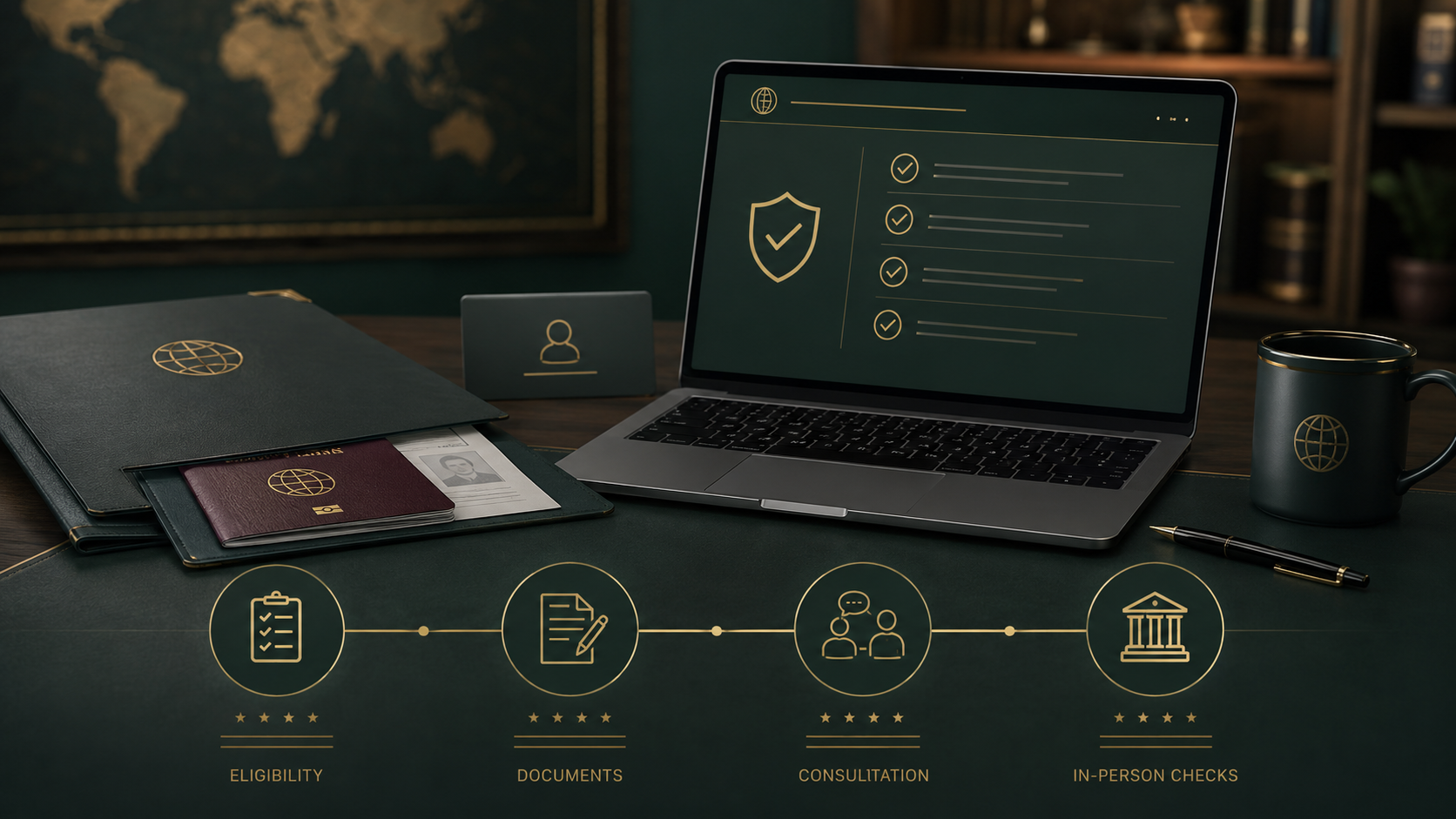
A realistic process may look like this:
-
Initial request
You submit basic information through an online form or contact channel. -
Consultation
A specialist reviews your country, age, location, and document situation. -
Eligibility clarification
You receive an explanation of whether the next step is realistic for your case. -
Document preparation
You prepare translations, certificates, or other papers if needed. -
In-person checks
Medical examination, interviews, and official checks may be required. -
Contract review and signing
The final contract step happens only after eligibility and document checks.
The timing can vary. Be careful with anyone who promises that every applicant can finish the whole process online or within a fixed number of days.
Payments and benefits: what to ask before applying
Many applicants are interested in salary, sign-on payments, housing, medical support, insurance, and family benefits.
Before making decisions, ask:
- what payment is federal and what payment is regional;
- when payment is made;
- what conditions must be met;
- whether the amount depends on location, rank, role, or contract terms;
- what documents confirm payment;
- what happens if medical checks are not passed;
- whether family benefits apply to your case.
Do not rely only on screenshots, forum posts, or old advertisements. Payment amounts and conditions can change over time.
Citizenship rules: what foreigners should know
Some foreign citizens search for how to join the Russian army because they are also interested in Russian citizenship.
There are rules connected with military contract service and citizenship, and these rules have changed more than once in recent years. In 2025, Decree No. 821 introduced temporary procedures connected with residence permits and citizenship for certain categories of foreign citizens. That is why old articles, old decree numbers, or fixed promises may be outdated.
A legal pathway is not a personal guarantee. Your result may depend on current law, document checks, military service status, medical decisions, and the category you fall under.
Before relying on any citizenship claim, confirm:
- whether the rule is still current;
- whether it applies to your category;
- what documents prove eligibility;
- whether family members are included;
- what can cause refusal or delay;
- what happens if rules change after your initial request.
What you should never do online
Do not:
- send full passport scans to an unknown contact;
- pay an application fee to a private intermediary before consultation;
- sign anything you have not read in a language you understand;
- rely on guaranteed citizenship promises;
- trust only messenger screenshots as proof;
- travel before you understand the process and document requirements;
- hide the process from family, lawyer, or relevant authorities if you need advice.
A legitimate process should be transparent and should not pressure you to decide immediately.
Red flags to watch for
Be careful if someone:
- promises guaranteed approval;
- promises guaranteed citizenship in a fixed time;
- asks for cryptocurrency or wire transfers before consultation;
- refuses to explain the legal basis;
- uses only anonymous messenger accounts;
- asks for full document scans immediately;
- says medical checks are not needed;
- tells you not to ask questions.
If you are unsure whether a page is legitimate, request a consultation first and ask for the process to be explained clearly.
Why request a consultation first?
A consultation helps avoid mistakes before you prepare documents or make travel plans.
A specialist can check your basic situation and explain:
- whether your case looks realistic;
- which documents may be needed;
- whether you should prepare translations;
- what current rules may apply;
- what questions you should clarify before the next step.
The first consultation should help you understand the process, not pressure you into a decision.
Related guides
You may also want to read:
- Russian Army Application Online: 2026 Guide
- Russian Army Contract for Foreign Citizens
- Russian Army Application Form for Foreigners
- Russian Army Recruitment Website: How to Check Official Sources
- Russian Army Contract and Citizenship: Key Questions
What to do next
If you are trying to understand how to join the Russian army as a foreign citizen, start with a private eligibility check. Prepare honest answers about your citizenship, age, current location, passport status, health, and documents.
Do not send full document scans before consultation. A specialist should first explain what is actually required for your case.
Still have questions about your case?
A specialist can review your situation privately and explain current rules.